Understanding game variations A guide to enhancing your gambling experience
Understanding game variations A guide to enhancing your gambling experience Table of Contents Exploring Game Variations The Impact of Game Rules Your Gambling Strategy The


Tracing the historical evolution of gambling a journey through time
The practice of gambling can be traced back thousands of years, with roots embedded deep within ancient civilizations. Evidence from archaeological sites reveals that the earliest known forms of gambling involved rudimentary dice games, believed to have been played in Mesopotamia around 3000 BC. These early games used materials such as bones and stones to create random results, paving the way for the fundamental concept of chance that characterizes gambling today. In today’s digital age, platforms like lolajack-au.org are bringing this age-old practice to new heights.
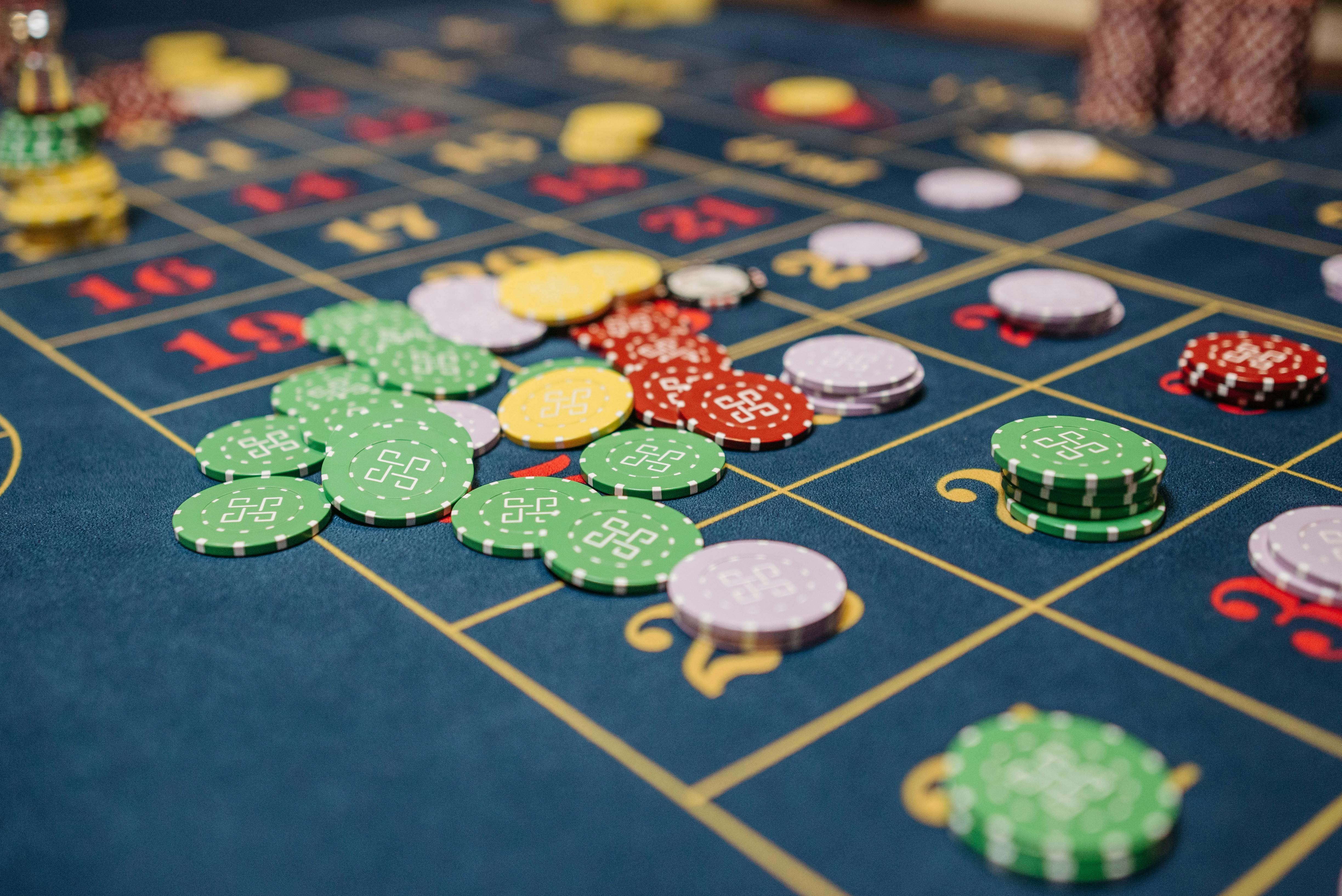
In ancient China, around 200 BC, gambling had taken a more structured form. The Chinese developed games of chance that involved betting on the outcome of events, such as the well-known game of Keno, which served as a lottery. This initial interaction with games of chance was not merely a pastime; it also played a significant role in society, reflecting cultural values and social structures of the time. Gambling became intertwined with various aspects of life, including religion, politics, and social interaction.
The Greeks and Romans further advanced gambling with more organized forms, such as betting on athletic competitions during the Olympic Games. This evolution indicated a shift from rudimentary gambling to more complex, structured formats. Roman emperors even instituted laws regulating gambling, which illustrated its growing importance within society. Such regulations laid the groundwork for modern legal frameworks surrounding gambling that continue to be relevant today.
The Middle Ages marked a pivotal period for gambling, characterized by the emergence of gaming houses and organized betting. As trade routes expanded, so did the accessibility of gambling. Establishments dedicated solely to games of chance began to appear, with dice games and card games gaining immense popularity. These venues became social hubs, where individuals from various backgrounds congregated to engage in gaming, fostering a communal sense of excitement and camaraderie.
During this era, the introduction of playing cards from Asia further transformed the gambling landscape. The invention of card games like poker and blackjack began to emerge, captivating players with their mix of strategy and chance. The proliferation of gaming houses was met with ambivalence; while they provided entertainment, they also faced scrutiny from authorities and religious organizations concerned about moral implications and societal impact. This tension would lead to the eventual regulation of gambling practices.
Despite opposition, gambling flourished during the Renaissance, with notable advancements in game design and establishment of rules. Lotteries became an avenue for funding public projects, further legitimizing gambling as a part of economic and social life. The increase in literacy rates allowed for the spread of gaming literature, enabling players to improve their strategies. This period set the foundation for the sophisticated gaming culture that would flourish in subsequent centuries.
The 18th and 19th centuries ushered in significant changes to gambling, driven by the industrial revolution and urbanization. As people migrated to cities for work, gambling diversified and transformed. Legal frameworks began to emerge, as governments recognized the potential economic benefits of regulating gambling activities. The establishment of licensed casinos in places like Monte Carlo and Las Vegas signified the transition from illicit gambling to recognized entertainment venues.
The introduction of sports betting, particularly with the establishment of the betting exchange, highlighted how gambling continued to evolve. People began to wager on various sports events, creating a multi-billion dollar industry. The growth of online gambling in the late 20th century further revolutionized the landscape, allowing players to engage in games and betting activities from the comfort of their homes, leading to unprecedented levels of participation and innovation.
As technology advanced, so did the methods of gambling. The Internet provided a platform for new forms of gaming, including virtual casinos and online poker rooms. This shift not only expanded accessibility but also raised questions about responsible gambling and addiction. Governments and organizations worldwide have had to adapt regulations to ensure player safety while balancing the economic benefits that gambling provides to society.
The psychological elements of gambling have gained increasing attention, particularly in understanding why individuals engage in these activities despite potential risks. The thrill of uncertainty and the allure of winning can create a powerful emotional pull. Neurological studies have shown that the brain releases dopamine—a neurotransmitter associated with pleasure—when individuals gamble, reinforcing the behavior and sometimes leading to compulsive gambling habits.
Many researchers focus on the cognitive biases that influence gambling behavior. For instance, the illusion of control is a common phenomenon where players believe they have influence over the outcome of random events, leading them to gamble more frequently. Additionally, concepts like the gambler’s fallacy—where individuals believe that past outcomes affect future results—illustrate the flawed reasoning often associated with gambling decisions.
Understanding these psychological aspects is crucial for developing effective prevention and treatment strategies for gambling addiction. Programs focusing on awareness, responsible gambling practices, and psychological support can help mitigate the adverse effects of gambling. As society continues to evolve its relationship with gambling, addressing these psychological factors will remain a vital component of responsible gaming initiatives.

LolaJack Casino represents a modern approach to online gambling, catering specifically to players in Australia. With a rich selection of over 4,000 games, it merges the excitement of traditional casino experiences with the convenience of online access. Players can explore a vibrant gaming lobby filled with options from leading game providers, ensuring there is something for every taste and preference.
In addition to a diverse game library, LolaJack Casino offers an enticing Welcome Package, featuring a generous bonus and free spins that enhance the initial gaming experience. Safety and security are prioritized, with the use of SSL encryption and a thorough Know Your Customer (KYC) process, fostering a safe and secure environment for all users. This commitment to security reflects the growing importance of responsible gaming practices in the online gambling sector.
Moreover, LolaJack Casino understands the significance of customer support and offers round-the-clock assistance, ensuring that players can enjoy their gaming experience without interruptions. The inclusion of various payment options, including cryptocurrencies, makes transactions seamless and convenient. As online gaming continues to evolve, platforms like LolaJack Casino are at the forefront of providing innovative, safe, and enjoyable gambling experiences for players.